Cameras for Street Photography (A Personal Journey)
You can basically take street photos with any camera. However, the reality is that some cameras are intuitive and make a beginner’s life easier, while others are so heavy and hard to carry.
In this post, I want to break down the functionality of different camera systems for those who are new to street photography.
Ricoh GR Series (GR, GR II, GR III, GR IIIx, GR IV Monochrome, etc.)
I started my photography journey in 2014 with a DSLR (a Nikon D3200) paired with zoom lenses like a 70-300mm Tamron and standard kit lenses. It performed nicely for static subjects, but honestly? It made me a passive photographer. I had zero motivation to lug that heavy pack of lenses out the door.
Later, inspired by the beautiful monochrome photos coming out of the Fujifilm X series, I sold my Nikon to a friend and bought a Fujifilm X100T in 2018. However, due to its slower autofocus, I still found it hard to capture fleeting moments with its 23mm (35mm equivalent) lens. By the way, I consider the 35mm focal length the hardest to master for street photography.
Despite that, sticking to a prime lens led me to investigate the history of street photography, where I discovered masters like Daido Moriyama and Antoine d’Agata. Drawn to the heavy contrast and grain of their work, I felt the need to change my gear again. I swapped my Fuji for a Ricoh GR II.
This camera is the ultimate "toy" for street photography in the best way possible. It’s pure, practical inspiration that makes you want to shoot anywhere, anytime. I began taking 10-hour walks through the streets of Istanbul a few times a week, photographing anything that caught my eye. I was just cranking up the hard contrast—"snapshot" photography became a part of my daily life. Beyond just taking pictures, the Ricoh taught me how to act on the streets, how to overcome my shyness, and how to remain unnoticed in a crowd.
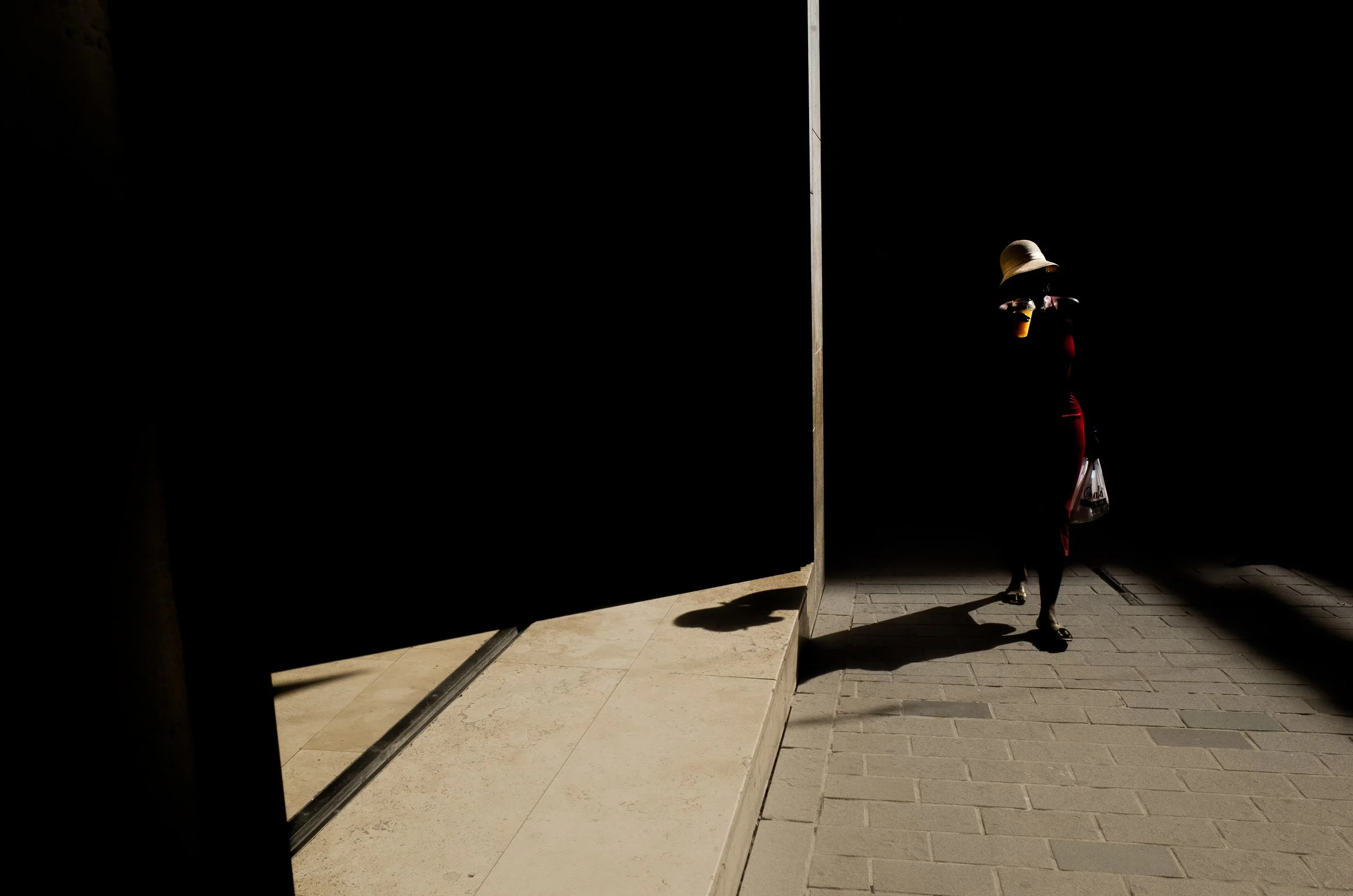
“Sunny M - Bonney”, Istanbul, Türkiye / May 2021. Ricoh GR II (28mm)
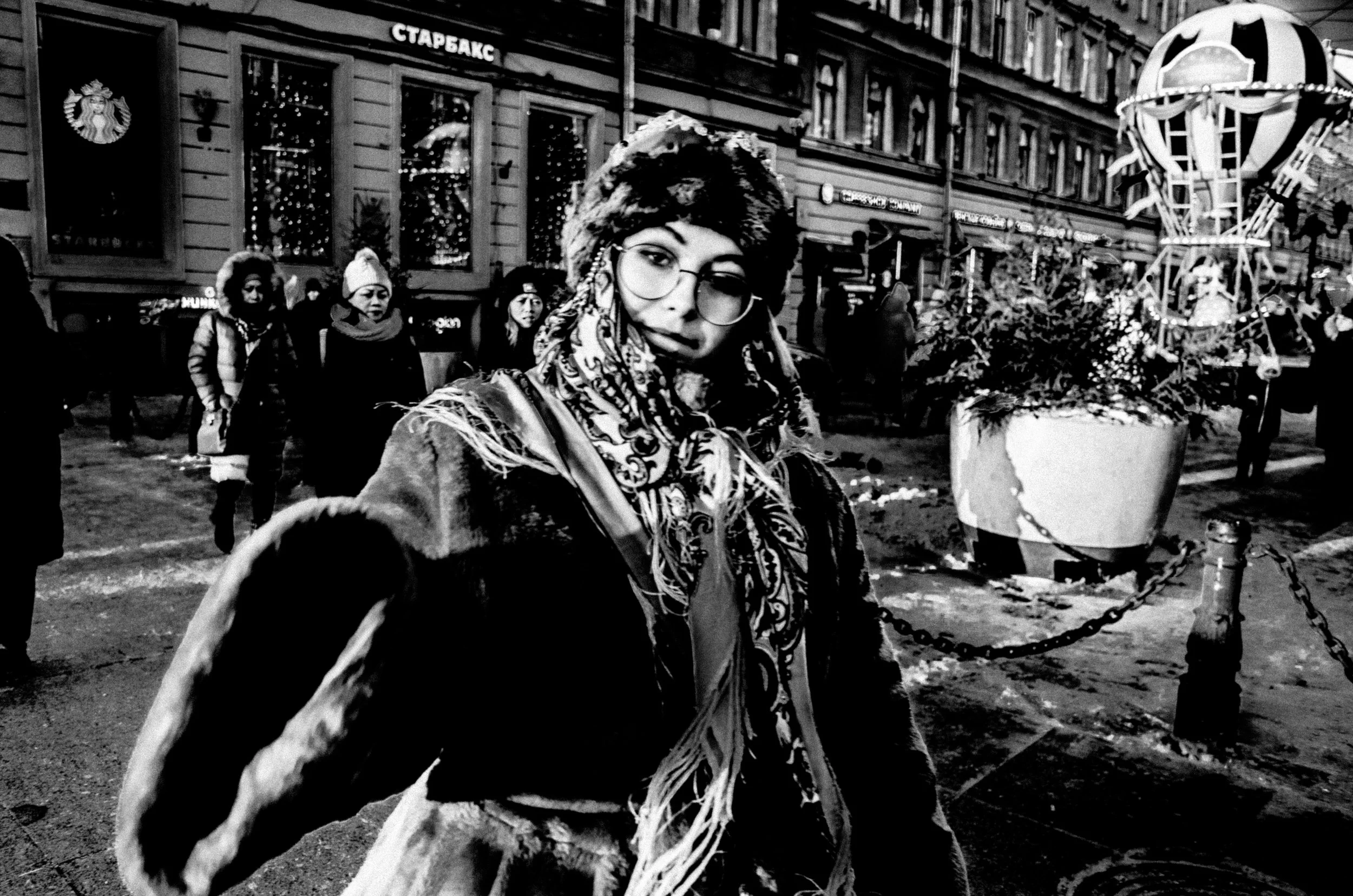
“The Animatrice of winter”, Saint Petersburg, Russia / January, 2022. Ricoh GR II (28mm)

“Story of Three”, Paris, France / December, 2023. Ricoh GR II (28mm)
Fujifilm X Series (with 16mm/24mm eq. or 18mm/28mm eq. prime lenses)
(X70, X-T1 through X-T5, X-Pro series, X-T20/30, X-E series)
Over time, I experimented with other Fujifilm cameras like the X-T3, X-T5, and X-Pro1. These cameras are lightweight, easy to carry, and incredibly inspiring to hold.
When you shoot with a Fuji, you truly feel like a street photographer. You aren't just operating a machine; you are engaging in a creative activity. Thanks to their beautiful APS-C sensors and legendary out-of-camera JPEG film simulations, you feel less like a technical professional and more like an artist creating something beautiful on the fly.
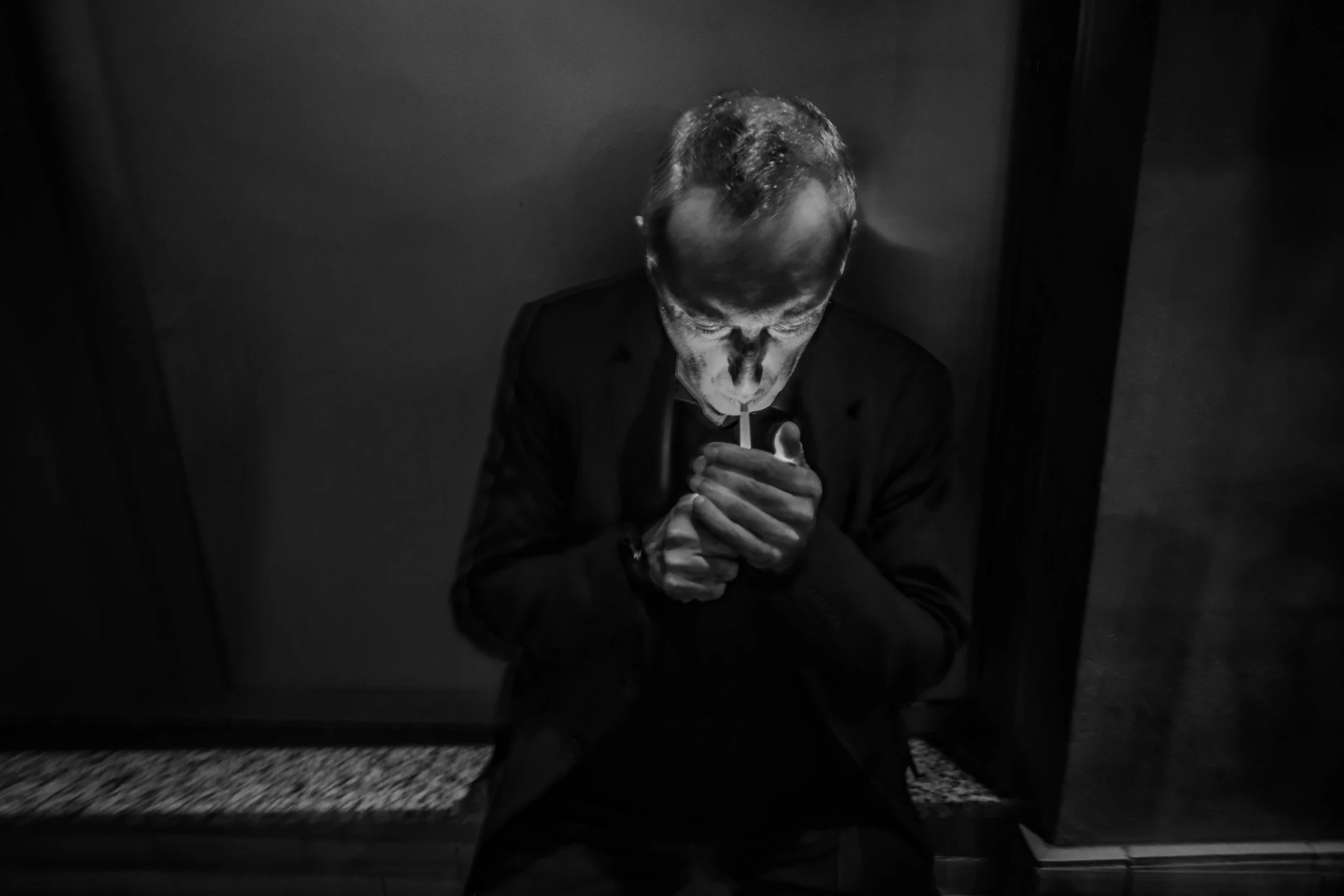
“A night smoker”, Paris / France, October 2025. Fujifilm X-T5 24mm (Fujinon XF 16mm f1.4 R WR lens)
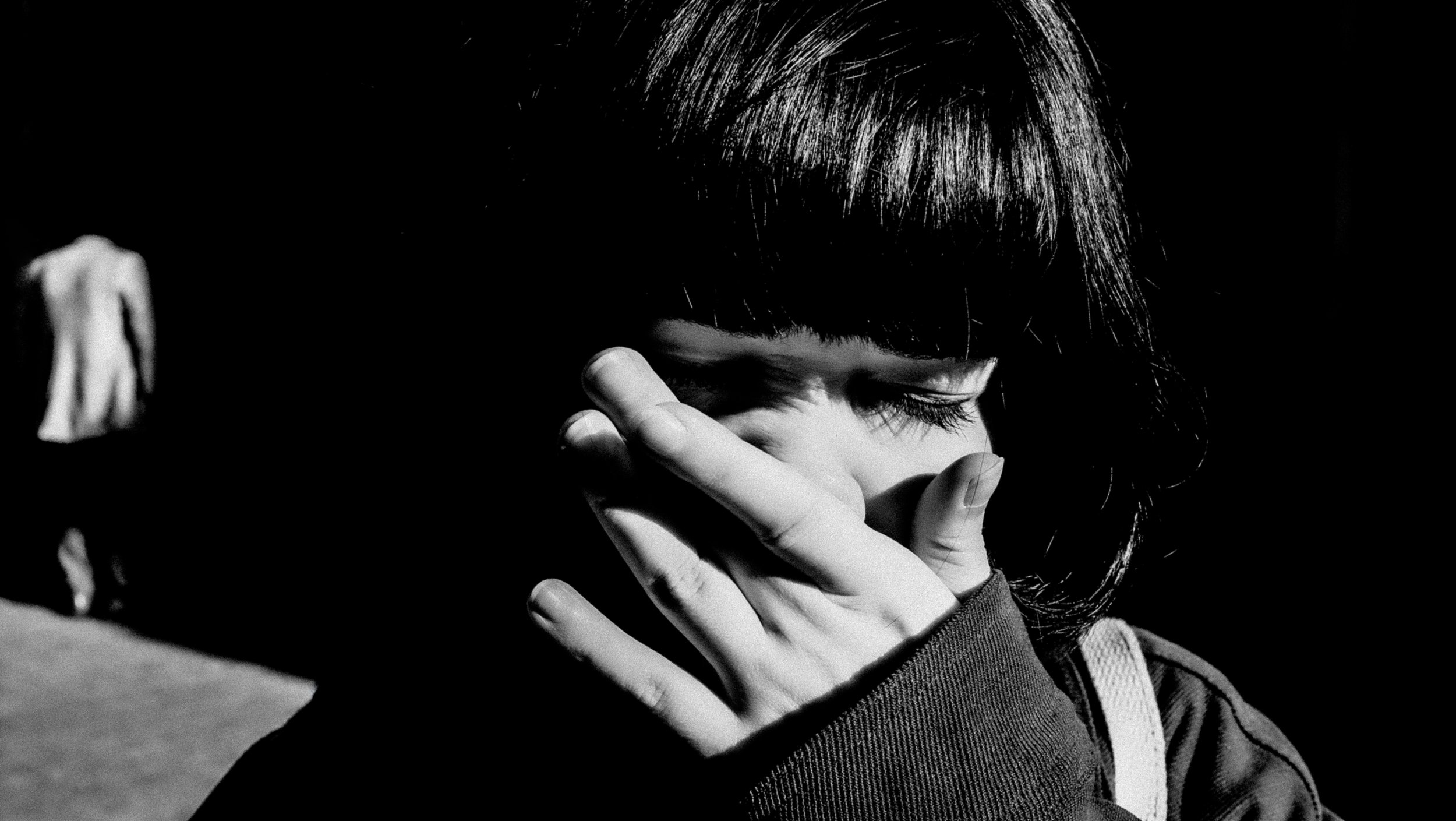
“Portrait of a lady who left”, Istanbul, Türkiye / December 2019. Fujifilm X100T 35mm (Fujinon 23mm f2.0 lens)
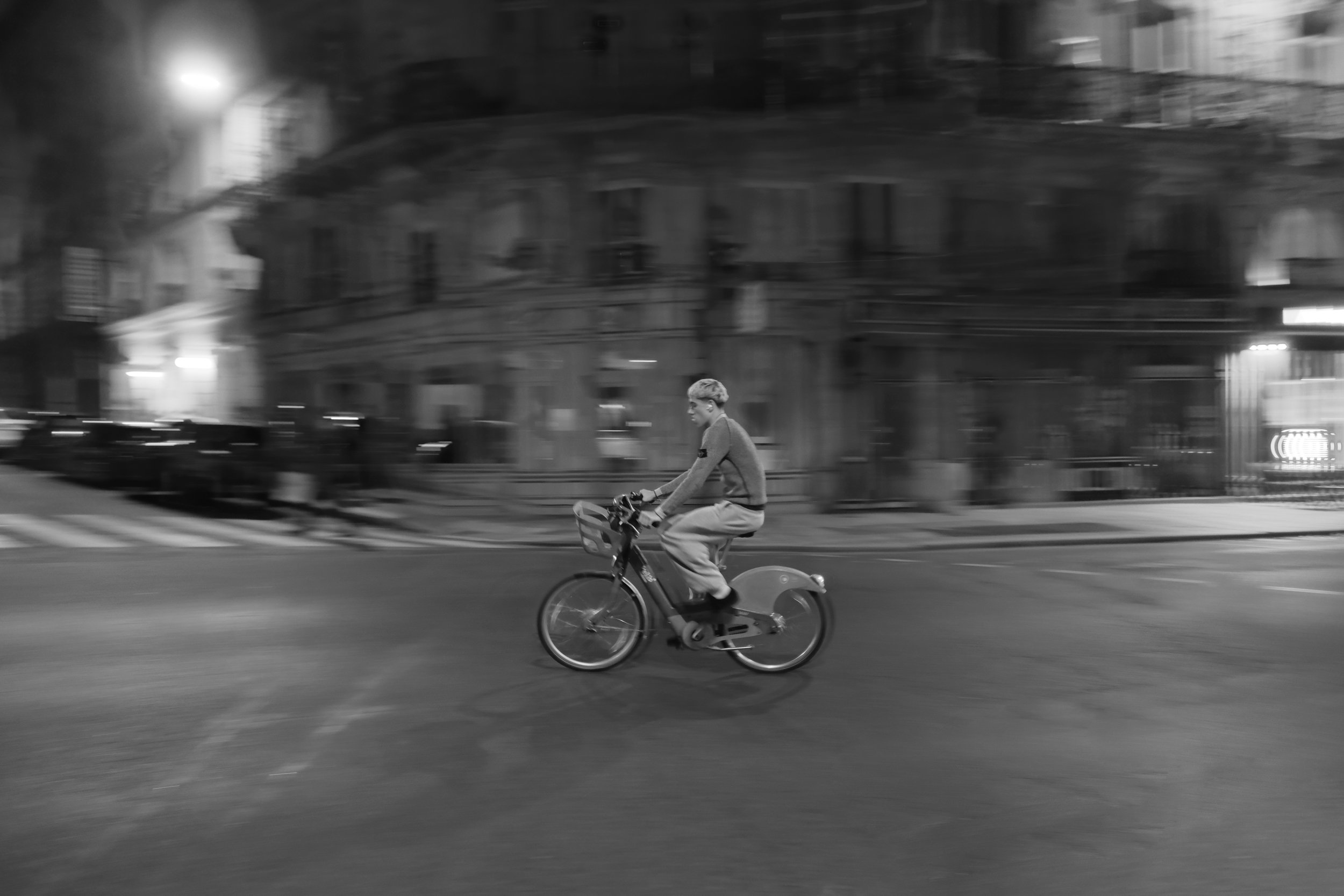
“Latin quarter on bike”, Paris, France / October 2025. Fujifilm X-T5 24mm (Fujinon XF 16mm f1.4 R WR lens)
Nikon Z Series (Z5, Z6, Z6 II/III, Zf, Z7, Z50, etc.)
Nikon is my current system. After using the Ricoh GR II for five years, I decided to try new lenses and step up to a full-frame sensor, specifically for night photography.
The best part of the Nikon Z series is the ergonomics—the grip is fantastic, making the camera incredibly comfortable to handle, and the low-light performance is magnificent. However, I wouldn't say they are the easiest cameras to use for beginners. Compared to Ricoh and Fuji, Nikon produces highly detailed, sharp, and natural images that often require manual editing to get that "street" look.
Additionally, Nikon's native lenses tend to be big and heavy, which isn't ideal for street work. Because of this, many street photographers lean toward third-party lenses from brands like Viltrox or Meike. The Z system handles these cheaper lenses beautifully, producing incredibly sharp images. I even adapt dirt-cheap vintage Soviet lenses, like the Helios 44-2 (58mm f/2.0), which produces gorgeous, dreamlike, swirly bokeh.

"The Lighthouse" at Marché Dauphine / Paris, France / April 2025. Nikon Z6 (Nikon Nikkor Z 28mm f.2.8)
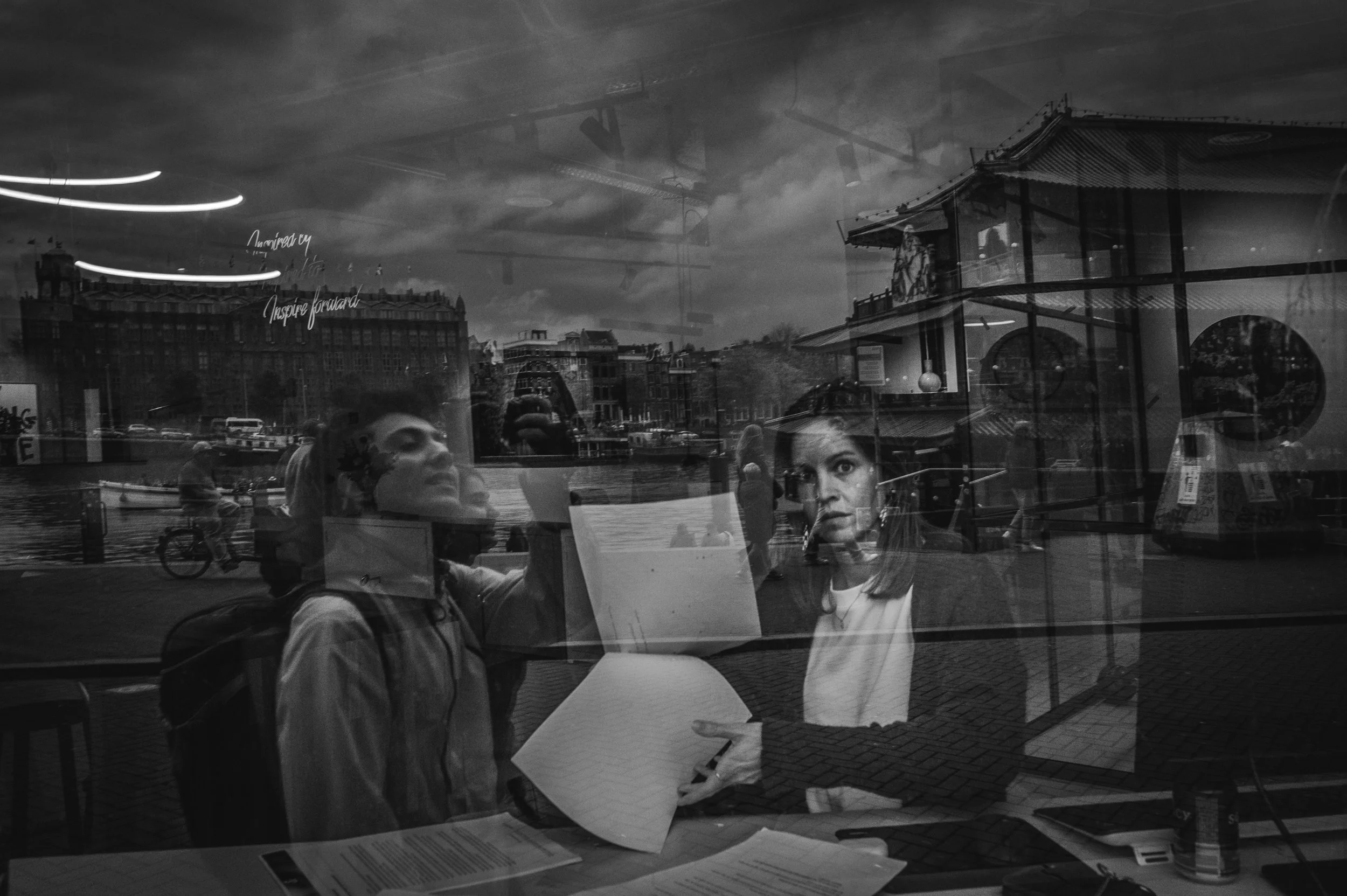
"Amsterdam Reflection”, Amsterdam, Netherlands / October 2025. Nikon Z6 (Nikon Nikkor Z 28mm f.2.8)
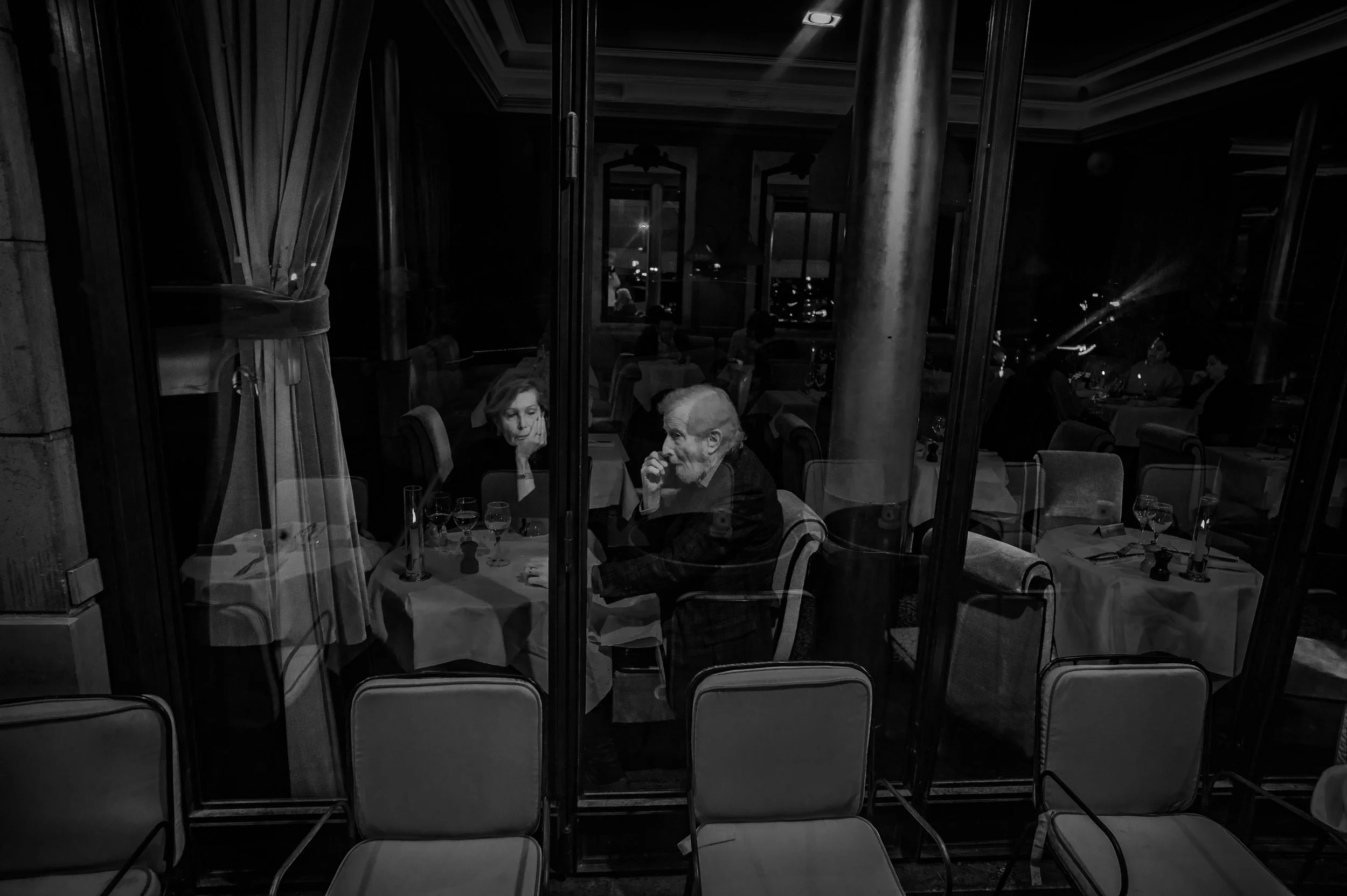
“Pre-Mortem”, Paris, France / November 2025. Nikon Z6 20mm (Viltrox AF 20mm f2.8)
Canon M and R Series (M50, R5, etc.)
I briefly tried a Canon M50 with a kit lens. It’s a very lightweight camera, with snappy autofocus that makes it incredibly easy to capture a scene. Canon is famous for its color science, which makes editing their photos a breeze. Ultimately, for street photography, the experience isn't vastly different from using a Nikon—it gets the job done reliably well.
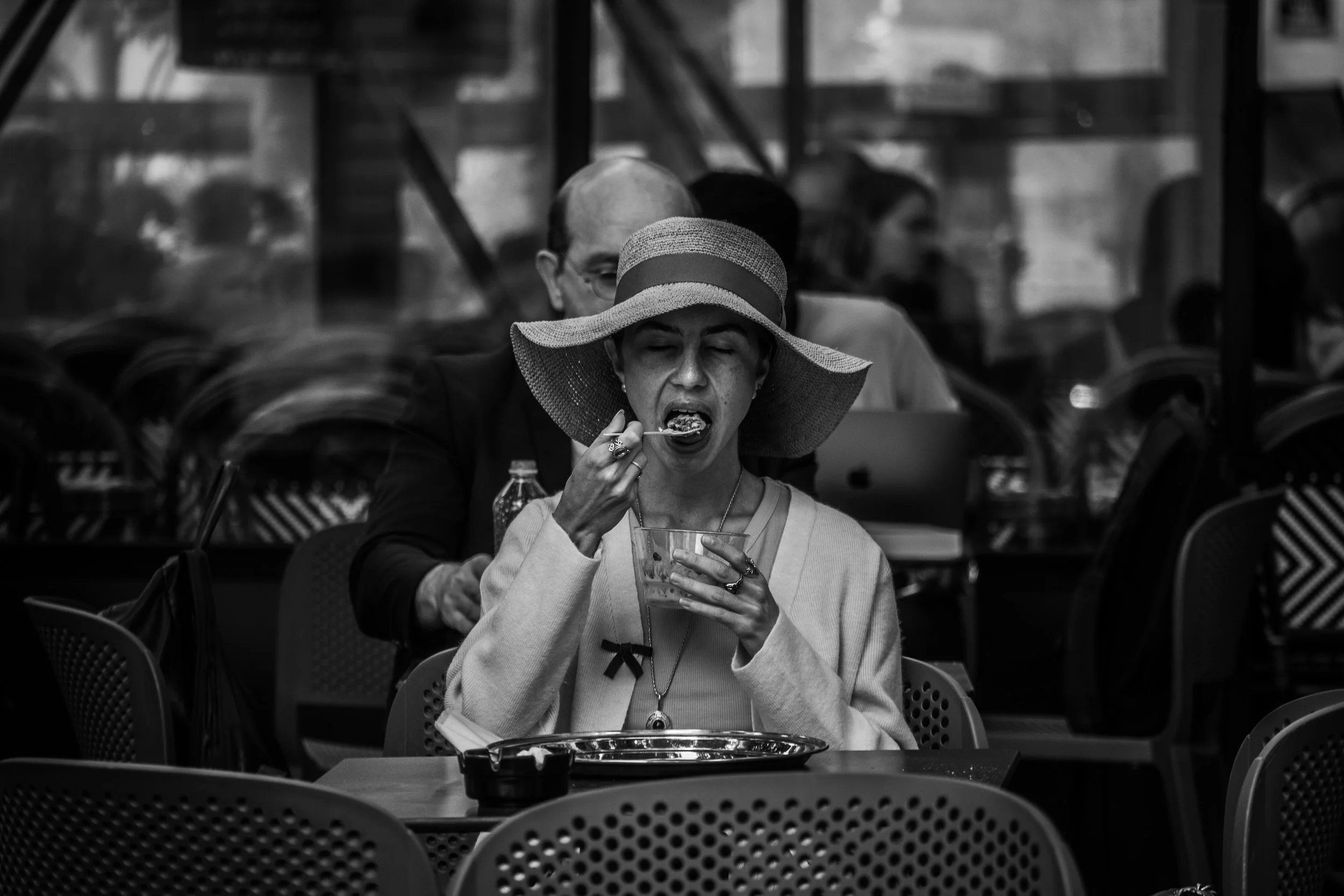
“Tourist”, Paris, France / September 2024. Canon EOS M50 (Canon EF-M 55-200mm f4.5-6.3 IS STM)
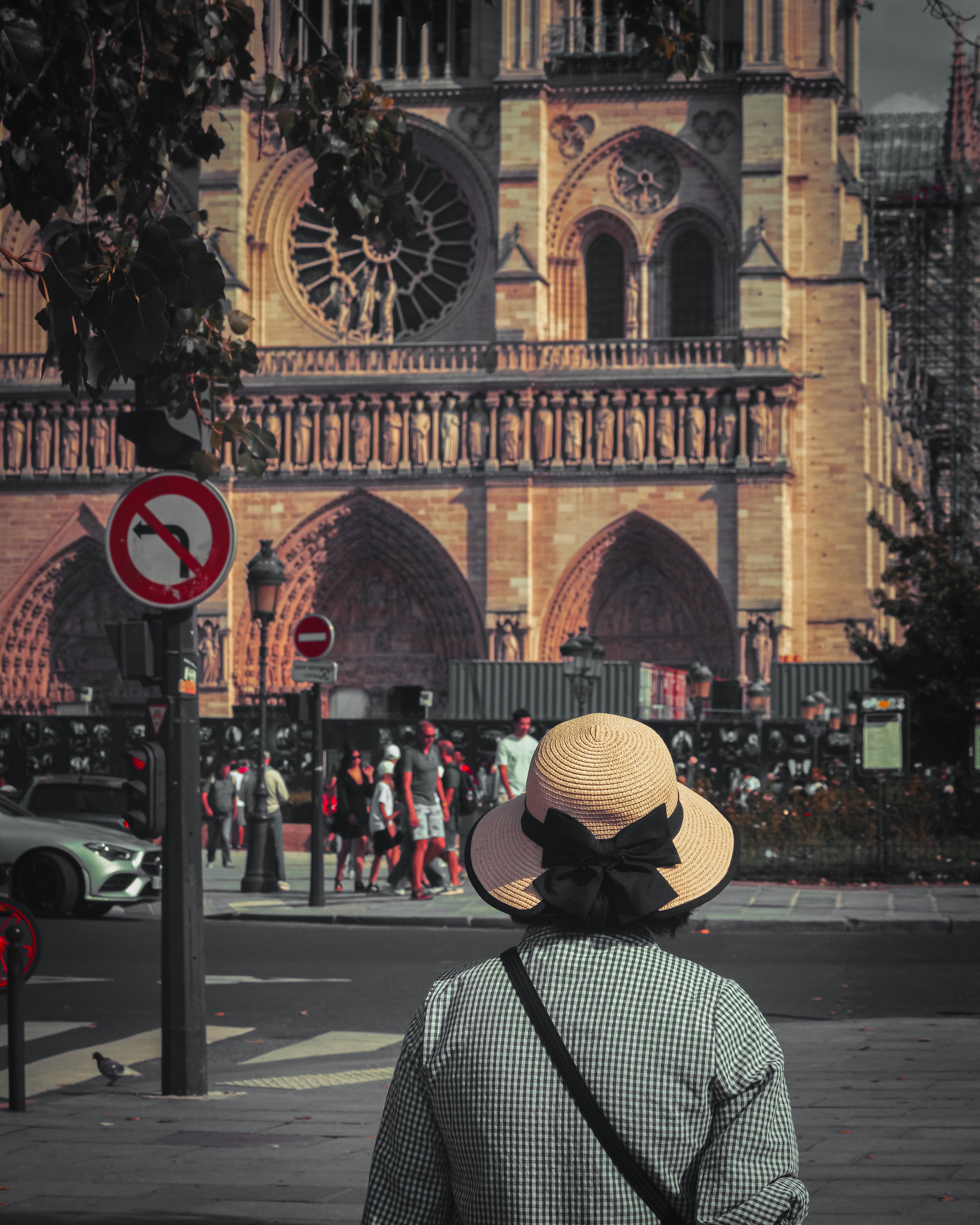
“Tourist 2”, Paris, France / September 2024. Canon EOS M50 (Canon EF-M 55-200mm f4.5-6.3 IS STM)
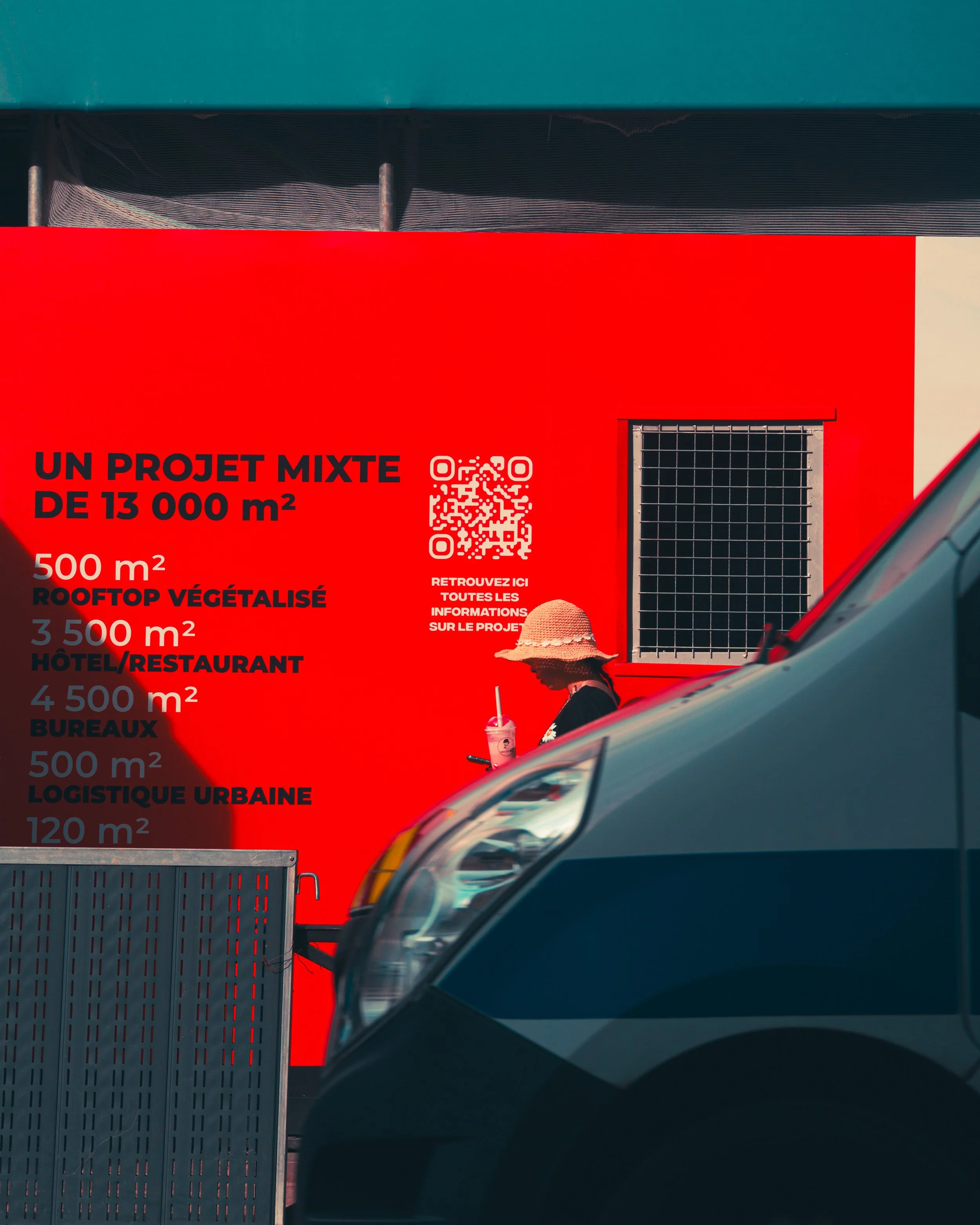
“Tourist 3”, Paris, France / September 2024. Canon EOS M50 (Canon EF-M 55-200mm f4.5-6.3 IS STM)
Conclusion
The systems I’ve listed above are based purely on my subjective, hands-on experience. I haven’t used systems like Sony, Olympus, Pentax, or Leica, so I can't comment on them, but if your main goal is just to go out and shoot, the brand name on the camera doesn't change the act of photographing.
People can take incredible photos with their smartphones, which is probably the most accessible way to start street photography. I take countless photos on the metro with my phone, even though printing them in high resolution might be difficult later.
Any camera works for street photography once you know what kind of photos you want to take. I've seen people shooting the streets with the latest medium-format Hasselblad, and others using a cheap plastic Samsung Fino point-and-shoot film camera. None of it matters. Today, people are even deliberately buying old digital cameras—like the Fuji X10 or Ricoh GR Digital III—just to achieve that gritty, lo-fi, pixelated look.
Street photography is a creative pursuit. Your photos can be razor-sharp or heavily grained depending entirely on your personal taste (and with modern software, it’s easy to remove grain or add it in later anyway).
Technology should serve your creativity. A new camera can never replace your personal taste.
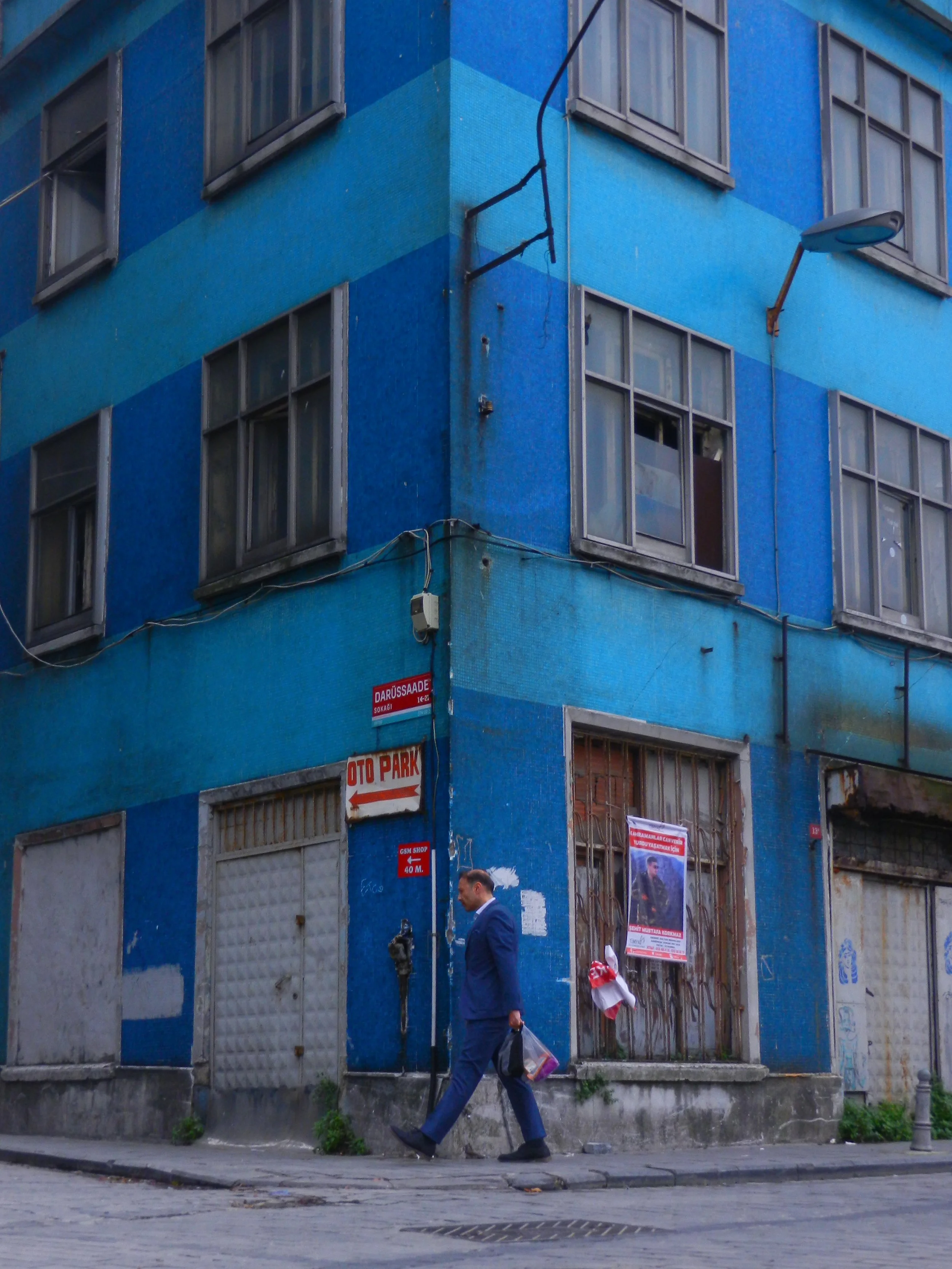
“Sirkeci”, Istanbul / Türkiye, November 2019. Nikon Coolpix S9050 point and shoot
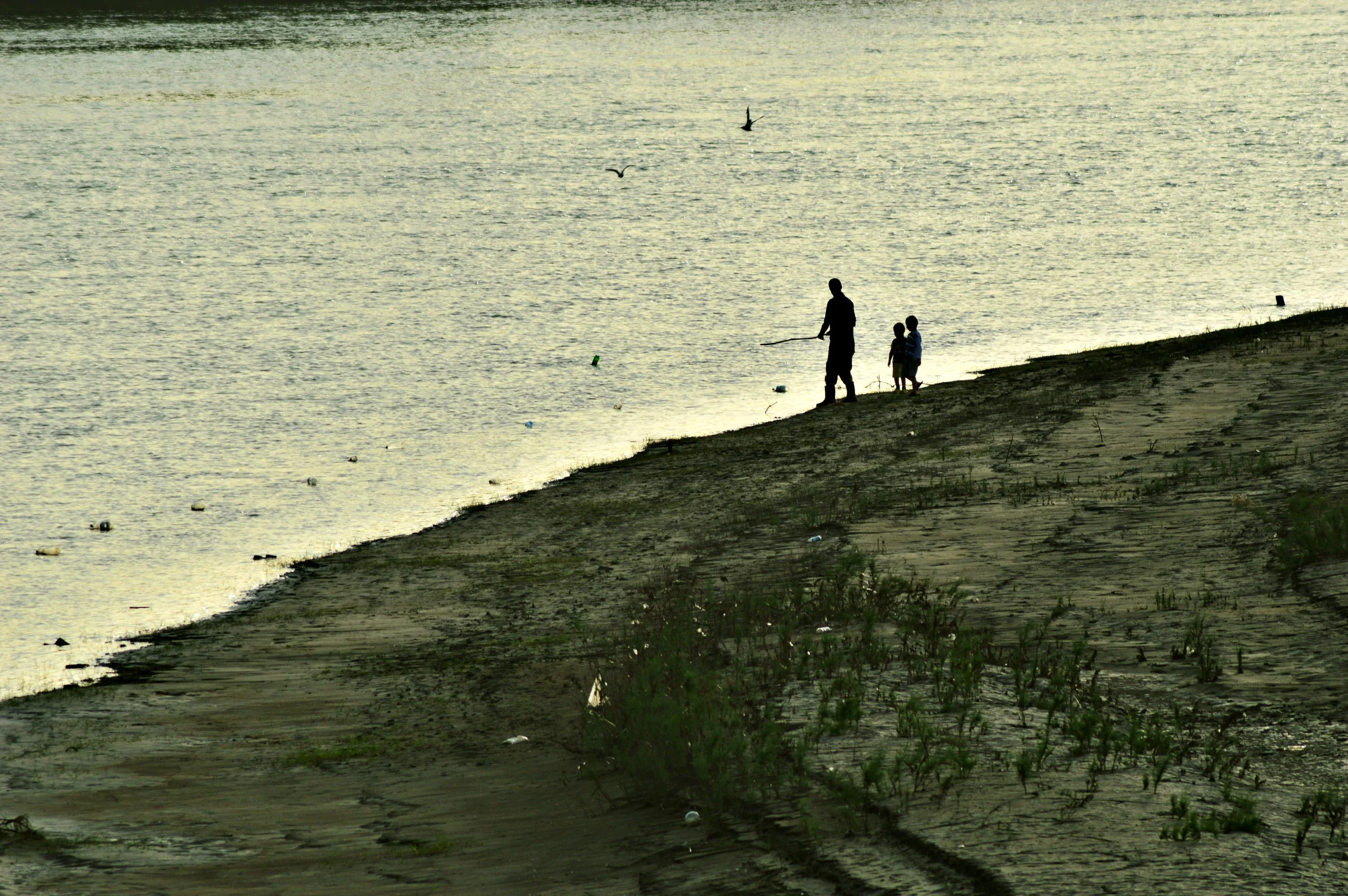
“Father and kids”, Salyan, Azerbaijan / June, 2016. Nikon d3200 (Tamron AF 70-300mm F/4-5.6)